I Built a Giant Festival Character. Here’s What I Got Wrong.
If you’ve spent any time on Instagram in the last few years, you’ve probably seen them.
Giant anime-style characters towering above festival crowds.
Millions of views.
Thousands of phones pointed at the stage.
Entire festivals becoming famous because of a single visual moment.
The first time I saw one of those videos, I wasn’t jealous.
I was excited.
Finally.
Finally, someone had used an LED screen as more than just a giant display.
Before the character appeared, the screen was completely black.
Invisible.
Then suddenly a massive figure emerged between the lighting towers.
Thirty meters tall.
Impossible to ignore.
I remember thinking:
“This is exactly what LED screens should be capable of.”
A few months later, I got my chance.
And that’s where this story begins.
It Started With Someone Else’s Success
A few months after seeing those viral festival videos, I was working on another LED screen project.
During a short conversation backstage, a colleague from the industry mentioned something interesting.
“Hey, our company wants to do something similar.”
I immediately stopped what I was doing.
“Wait… really?”
The idea had stayed in my head ever since I saw those giant characters online.
Not because they were beautifully animated.
Not because they were technically impressive.
Because they transformed the screen into something else.
The screen stopped being a screen.
It became a creature.
A presence.
Part of the stage itself.
For years I had wanted to create something similar.
Now there was finally an opportunity.
Creating The Character
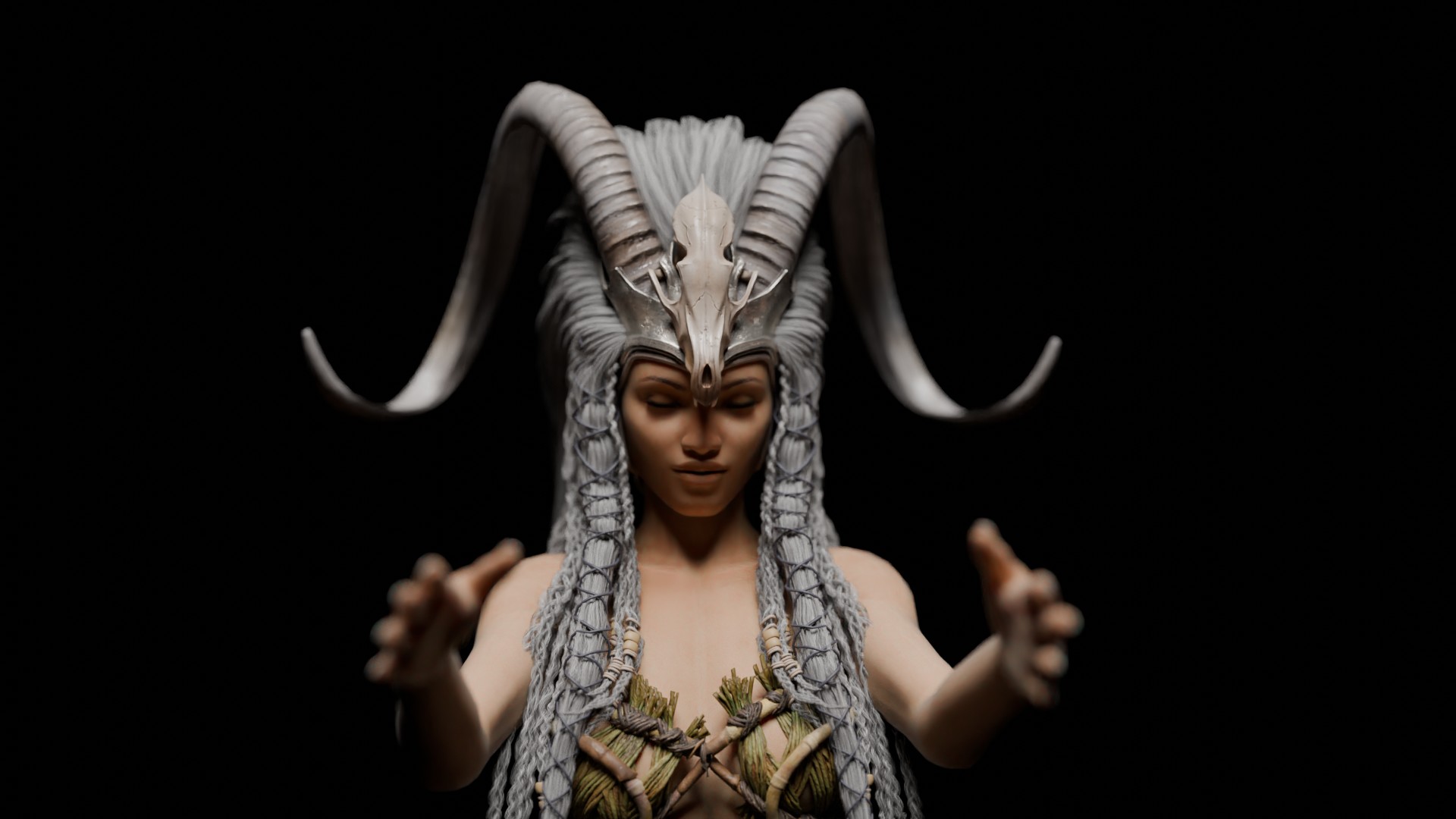
The concept evolved into a mystical shaman.
A giant figure creating a sphere of energy between her hands.
The idea was simple.
Music wasn’t just playing during the show.
The character was creating it.
Every movement.
Every gesture.
Every pulse of energy.
Everything existed to support that story.
The hands became one of the most important visual elements.
They stretched beyond the character.
They reached toward the audience.
They helped create the illusion that the screen was no longer a flat surface.
At least that was the plan.
Then I Saw The Pixel Map
The festival organizers sent me the stage pixel map.
And a note.
“Your character will appear here.”
I looked at the screen.
Then I looked at the rest of the stage.
And my first thought was:
This won’t work.
Not because the character was wrong.
Not because the animation was bad.
Not because the concept lacked potential.
The problem was scale.
The character was assigned to a relatively small central screen.
Around it were much larger visual surfaces competing for attention.
At that moment, I already suspected what would happen.
The illusion would be weaker than I imagined.
The giant hands would still emerge from the screen.
But they would emerge from a screen that wasn’t visually dominant.
And that changes everything.
The original stage layout. The character was assigned to the central screen while larger LED surfaces surrounded it.
The Moment I Knew It Would Never Feel Real
I spent days looking at different options.
Could we extend the animation across multiple screens?
Could we ignore the gaps between displays?
Could we somehow make the illusion larger than the stage itself?
For a moment, I considered all of it.
Then I realized something.
It would never feel truly real.
Not on that stage.
Not with that screen configuration.
For a giant character to create that overwhelming sense of presence, two things need to happen.
First, the audience needs a clear sweet spot.
A place where the illusion works exactly as intended.
Second, the character cannot feel trapped inside a visible frame.
The moment the audience sees the boundaries of the screen, the brain immediately understands what it is looking at.
A display.
An effect.
A trick.
The illusion becomes weaker.
At that point, I already suspected that the character would never create the same impact as those viral festival giants I had seen online.
If It Couldn’t Feel Real, It Had To Feel Magical
The moment I accepted that the illusion would never feel completely real, something changed.
I stopped trying to make the character human.
Instead, I leaned into the opposite direction.
I decided to remove some of the natural behavior.
The subtle movements.
The realistic gestures.
The details that normally make a digital character feel alive.
And I replaced them with something else.
Music.
Every movement became tied to the rhythm.
The fingers no longer moved naturally.
They reacted mechanically.
Almost unnaturally.
Every beat triggered a response.
Every sound influenced the motion.
Suddenly, the character stopped feeling like a giant person standing on a stage.
It started feeling like something else entirely.
A creature under a spell.
A shaman completely consumed by the process of creating the glowing sphere of energy floating between her hands.
The more we pushed in that direction, the better it worked.
The robotic movement matched the music.
The music matched the atmosphere.
And the atmosphere matched the story.
Ironically, the moment we stopped chasing realism was the moment the character became more believable within its own world.
Curiosity Won
Even though I suspected the illusion wouldn’t work as intended, I still wanted to see it.
Experience was telling me one thing.
Curiosity was telling me another.
Maybe I was wrong.
Maybe the character would overcome the limitations of the stage.
Maybe the audience would see something I couldn’t.
So we built it.
And when the festival finally started, I got my answer.
The Character Was Never The Problem
The character worked.
The animation worked.
The story worked.
People enjoyed it.
The atmosphere was there.
The problem was something else.
The giant festival characters that go viral online aren’t impressive simply because they are large.
They are impressive because everything around them makes them feel large.
The character dominates the stage.
The stage supports the illusion.
The audience has no choice but to focus on it.
My character had to compete with the architecture around it.
The largest visual surfaces weren’t hers.
The strongest visual focus wasn’t hers.
And that changed the audience’s perception completely.
What The Project Taught Me
This project taught me something that Instagram never could.
A giant character is not impressive because it is technically impressive.
A giant character is impressive because it controls attention.
Scale is relative.
Presence is relative.
Impact is relative.
Sometimes the difference between a viral moment and a forgotten moment has nothing to do with animation quality.
It has everything to do with where that animation lives.
And despite everything, I’m still grateful this project happened.
Because it taught me something that no successful project ever could.
I Built a Giant Festival Character. Here’s What I Got Wrong.
If you’ve spent any time on Instagram in the last few years, you’ve probably seen them.
Giant anime-style characters towering above festival crowds.
Millions of views.
Thousands of phones pointed at the stage.
Entire festivals becoming famous because of a single visual moment.
The first time I saw one of those videos, I wasn’t jealous.
I was excited.
Finally.
Finally, someone had used an LED screen as more than just a giant display.
Before the character appeared, the screen was completely black.
Invisible.
Then suddenly a massive figure emerged between the lighting towers.
Thirty meters tall.
Impossible to ignore.
I remember thinking:
“This is exactly what LED screens should be capable of.”
A few months later, I got my chance.
And that’s where this story begins.
It Started With Someone Else’s Success
A few months after seeing those viral festival videos, I was working on another LED screen project.
During a short conversation backstage, a colleague from the industry mentioned something interesting.
“Hey, our company wants to do something similar.”
I immediately stopped what I was doing.
“Wait… really?”
The idea had stayed in my head ever since I saw those giant characters online.
Not because they were beautifully animated.
Not because they were technically impressive.
Because they transformed the screen into something else.
The screen stopped being a screen.
It became a creature.
A presence.
Part of the stage itself.
For years I had wanted to create something similar.
Now there was finally an opportunity.
Creating The Character
The concept evolved into a mystical shaman.
A giant figure creating a sphere of energy between her hands.
The idea was simple.
Music wasn’t just playing during the show.
The character was creating it.
Every movement.
Every gesture.
Every pulse of energy.
Everything existed to support that story.
The hands became one of the most important visual elements.
They stretched beyond the character.
They reached toward the audience.
They helped create the illusion that the screen was no longer a flat surface.
At least that was the plan.
Then I Saw The Pixel Map
The festival organizers sent me the stage pixel map.
And a note.
“Your character will appear here.”
I looked at the screen.
Then I looked at the rest of the stage.
And my first thought was:
This won’t work.
Not because the character was wrong.
Not because the animation was bad.
Not because the concept lacked potential.
The problem was scale.
The character was assigned to a relatively small central screen.
Around it were much larger visual surfaces competing for attention.
At that moment, I already suspected what would happen.
The illusion would be weaker than I imagined.
The giant hands would still emerge from the screen.
But they would emerge from a screen that wasn’t visually dominant.
And that changes everything.
The original stage layout. The character was assigned to the central screen while larger LED surfaces surrounded it.
The Moment I Knew It Would Never Feel Real
I spent days looking at different options.
Could we extend the animation across multiple screens?
Could we ignore the gaps between displays?
Could we somehow make the illusion larger than the stage itself?
For a moment, I considered all of it.
Then I realized something.
It would never feel truly real.
Not on that stage.
Not with that screen configuration.
For a giant character to create that overwhelming sense of presence, two things need to happen.
First, the audience needs a clear sweet spot.
A place where the illusion works exactly as intended.
Second, the character cannot feel trapped inside a visible frame.
The moment the audience sees the boundaries of the screen, the brain immediately understands what it is looking at.
A display.
An effect.
A trick.
The illusion becomes weaker.
At that point, I already suspected that the character would never create the same impact as those viral festival giants I had seen online.
If It Couldn’t Feel Real, It Had To Feel Magical
The moment I accepted that the illusion would never feel completely real, something changed.
I stopped trying to make the character human.
Instead, I leaned into the opposite direction.
I decided to remove some of the natural behavior.
The subtle movements.
The realistic gestures.
The details that normally make a digital character feel alive.
And I replaced them with something else.
Music.
Every movement became tied to the rhythm.
The fingers no longer moved naturally.
They reacted mechanically.
Almost unnaturally.
Every beat triggered a response.
Every sound influenced the motion.
Suddenly, the character stopped feeling like a giant person standing on a stage.
It started feeling like something else entirely.
A creature under a spell.
A shaman completely consumed by the process of creating the glowing sphere of energy floating between her hands.
The more we pushed in that direction, the better it worked.
The robotic movement matched the music.
The music matched the atmosphere.
And the atmosphere matched the story.
Ironically, the moment we stopped chasing realism was the moment the character became more believable within its own world.
Curiosity Won
Even though I suspected the illusion wouldn’t work as intended, I still wanted to see it.
Experience was telling me one thing.
Curiosity was telling me another.
Maybe I was wrong.
Maybe the character would overcome the limitations of the stage.
Maybe the audience would see something I couldn’t.
So we built it.
And when the festival finally started, I got my answer.
The Character Was Never The Problem
The character worked.
The animation worked.
The story worked.
People enjoyed it.
The atmosphere was there.
The problem was something else.
The giant festival characters that go viral online aren’t impressive simply because they are large.
They are impressive because everything around them makes them feel large.
The character dominates the stage.
The stage supports the illusion.
The audience has no choice but to focus on it.
My character had to compete with the architecture around it.
The largest visual surfaces weren’t hers.
The strongest visual focus wasn’t hers.
And that changed the audience’s perception completely.
What The Project Taught Me
This project taught me something that Instagram never could.
A giant character is not impressive because it is technically impressive.
A giant character is impressive because it controls attention.
Scale is relative.
Presence is relative.
Impact is relative.
Sometimes the difference between a viral moment and a forgotten moment has nothing to do with animation quality.
It has everything to do with where that animation lives.
And despite everything, I’m still grateful this project happened.
Because it taught me something that no successful project ever could.
Let’s Bring Your Vision To Life
From LED screens and immersive spaces to cinematic 3D animation. Let’s create visuals your audience will remember.
Industry Insights
Thoughts, experiences and practical knowledge from the worlds of LED technology, immersive environments, animation and live productions.
 Event Visuals
You Spent €100,000 on an LED Screen. Don’t Let the Graphics Ruin It.
You Spent €100,000 on an LED Screen. Don’t Let the Graphics Ruin It. A giant LED screen can make a
 Event Visuals
Why Most LED Screen Visuals Fail on Real Screens
Why Most LED Screen Visuals Fail on Real Screens Why Most LED Screen Visuals Fail on Real Screens I have
 Installations
Why Many Interactive Installations Don’t Need a Custom App
Why Many Interactive Installations Don’t Need a Custom App Designing Reliable Multimedia Systems for Museums, Smart Buildings and Immersive Spaces
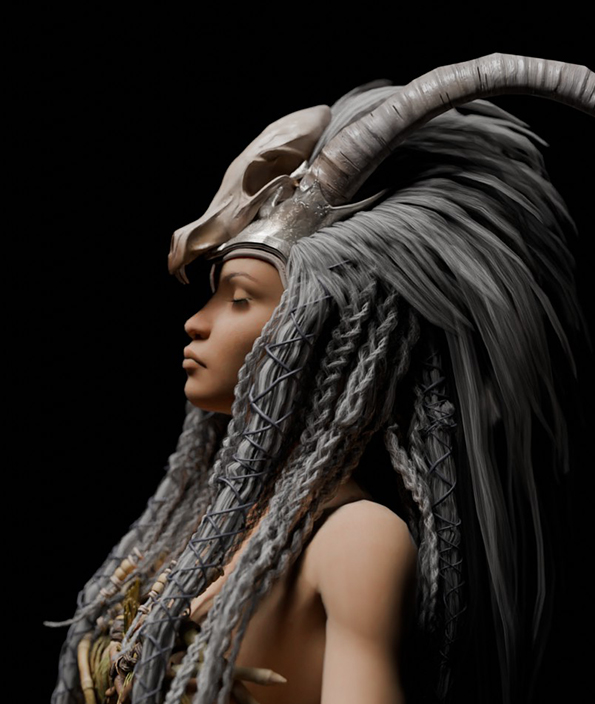 3D Animation
The Moment a Digital Character Starts Feeling Human
The Moment a Digital Character Starts Feeling Human If you’ve spent any time on social media recently, you’ve probably seen
 Installations
The Day Your AI Assistant Became a Person
The Day Your AI Assistant Became a Person During my own rehabilitation, I noticed something interesting.The application I was using
 Event Visuals
I Built a Giant Festival Character. Here’s What I Got Wrong.
I Built a Giant Festival Character. Here’s What I Got Wrong. If you’ve spent any time on Instagram in the
 3D Animation
Every Generation of Artists Has Been Afraid of Something
Every Generation of Artists Has Been Afraid of Something Maybe you’ve been browsing our website or reading our recent posts
Industry Insights
Thoughts, experiences and practical knowledge from the worlds of LED technology, immersive environments, animation and live productions.
3D Animation
Every Generation of Artists Has Been Afraid of Something
Every Generation of Artists Has Been Afraid of Something Maybe you’ve been browsing our website or reading our recent posts
Installations
The Day Your AI Assistant Became a Person
The Day Your AI Assistant Became a Person During my own rehabilitation, I noticed something interesting.The application I was using
Installations
Why Many Interactive Installations Don’t Need a Custom App
Why Many Interactive Installations Don’t Need a Custom App Designing Reliable Multimedia Systems for Museums, Smart Buildings and Immersive Spaces
Event Visuals
I Built a Giant Festival Character. Here’s What I Got Wrong.
I Built a Giant Festival Character. Here’s What I Got Wrong. If you’ve spent any time on Instagram in the
Event Visuals
You Spent €100,000 on an LED Screen. Don’t Let the Graphics Ruin It.
You Spent €100,000 on an LED Screen. Don’t Let the Graphics Ruin It. A giant LED screen can make a
Event Visuals
Why Most LED Screen Visuals Fail on Real Screens
Why Most LED Screen Visuals Fail on Real Screens Why Most LED Screen Visuals Fail on Real Screens I have
3D Animation
The Moment a Digital Character Starts Feeling Human
The Moment a Digital Character Starts Feeling Human If you’ve spent any time on social media recently, you’ve probably seen